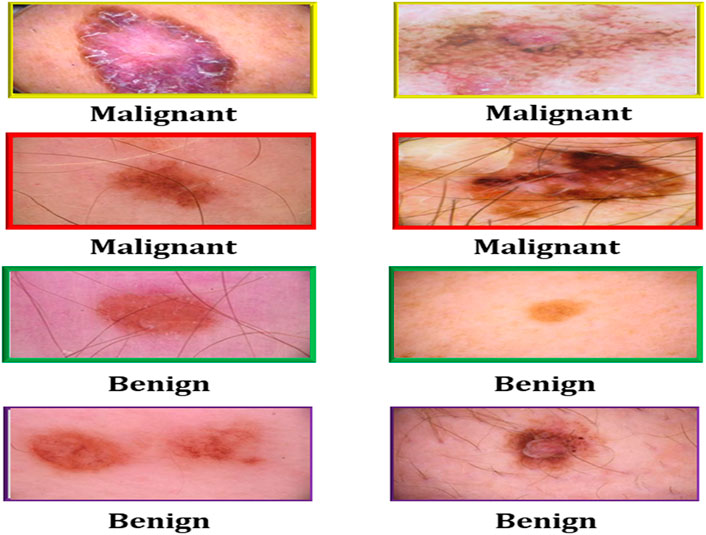
Seborrhoeic Keratoses Brownish Growths, Basic Cell Papillomas, Seborrheic Keratosis If you have a dark skin growth or a group of developments that establish quickly, make a visit to have them inspected now. Seborrheic keratosis is a skin growth that can look like a protuberance or mole. They commonly impact middle-aged and older people, however they can occur earlier. Many people that establish seborrheic keratosis have a number of sores. While seborrheic keratoses can be efficiently eliminated, it is important to Cosmetic Consultation note that brand-new growths may develop with time. Although these new growths are unassociated to previous ones, their appearance can create issue for some individuals.
SKs normally do not appear until midlife or later.
Actinic keratosis growths develop as a result of duplicated sun exposure without proper defense and, unlike seborrheic keratosis, these developments can bring about cancer cells.
In this short article, our St. Louis skin doctors at Mid-County Dermatology located at Missouri Baptist Medical Center provide information about seborrheic keratosis.
Seborrheic keratoses are common benign (noncancerous) skin growths that can take place anywhere on the body.
Call Dermatology & Advanced Skin Care today or schedule a visit online to learn more.
The number of seborrheic keratoses varies from few to thousands per person.
Seborrheic keratosis is an extremely usual, noncancerous skin growth that commonly appears with age. It might look worrying, however for the most part it does not develop into cancer. While seborrheic keratosis is typically harmless, some skin cancers cells can be dangerous if disregarded. It is constantly suitable to seek clinical advice about anything that can be major. Seborrheic keratosis itself is benign and does not usually develop into cancer.
Therapy For Seborrheic Keratosis
These are signs of skin cancer cells, and early detection of skin cancer cells is the most effective way to make certain successful treatment. Liquid nitrogen, a very chilly liquid, is related to the development with a cotton swab or spray weapon. In some cases a blister kinds under the SK and dries out right into a scab-like crust that diminishes. After the development falls off, a small dark or light spot might appear on the skin.
What occurs if seborrheic keratosis is left without treatment?
Seborrheic keratoses are harmless and not contagious. They don't require therapy, but you might decide to have them eliminated if they end up being irritated by apparel or you don't like how they look.
What Creates Seborrheic Keratosis?
Significantly, you ought to not try to get rid of seborrheic keratosis at home. Over-the-counter excrescence cleaners are not developed for this problem and may trigger irritation, infection, or scarring. Seborrheic keratosis develops when specific skin cells increase more than common. This overgrowth develops the thickened, ceraceous appearance. In the majority of people, seborrheic keratoses first appear in midlife or later on. Individuals who are most likely to obtain these growths have relative with seborrheic keratoses. Sometimes the developments show up during pregnancy or after estrogen replacement treatment. They are a little more usual among males than women. A special version of seborrheic keratoses occur in darker-skinned people, typically on the cheeks, close to the eyelids. These are generally darkly-pigmented and occasionally "tag-like" developments, called dermatosis papulosa nigrans. Seborrheic keratosis-- obvious seb-o-REE-ik ker-uh-TOE-sis-- is a problem that happens when skin cells start clumping together, which leads to a development or a number of developments. These benign growths can be available in various dimensions, forms, colors, and appearances. They can be brownish or black and can appear like ranges with waxy surface areas. Seborrheic keratosis is generally safe, and there aren't many therapies beyond eliminating it. Some individuals choose to have them eliminated if the developments end up being unattractive or scratchy, or become irritated from scrubing against clothes. Elimination approaches include cryotherapy, cut biopsy, laser surgical procedure, curettage, and cautery. Nonetheless, seborrheic keratosis likewise shows up on skin that hasn't been revealed to the sun. Researchers aren't sure why some people obtain these growths, and others do not. What is clear is seborrheic keratosis is a lot more usual with enhanced age. Distinguishing seborrheic keratosis from cancerous lesions is difficult without a skin cancer testing from a Verrucas board-certified skin doctor.